
bg_sec_img_IBHRO008_iv

Transforming Lives Through Orthopedic Excellence
Department of Orthopaedics

Transforming Lives Through Orthopedic Excellence

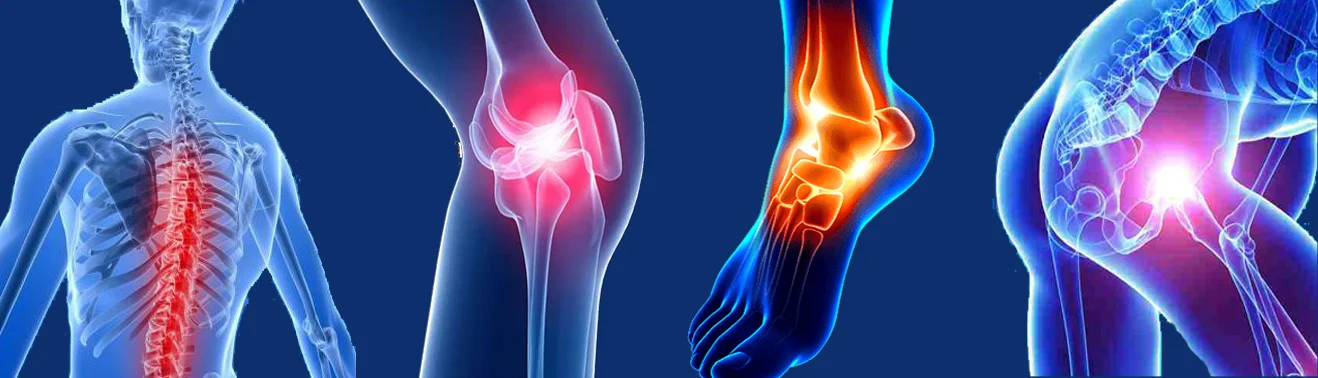
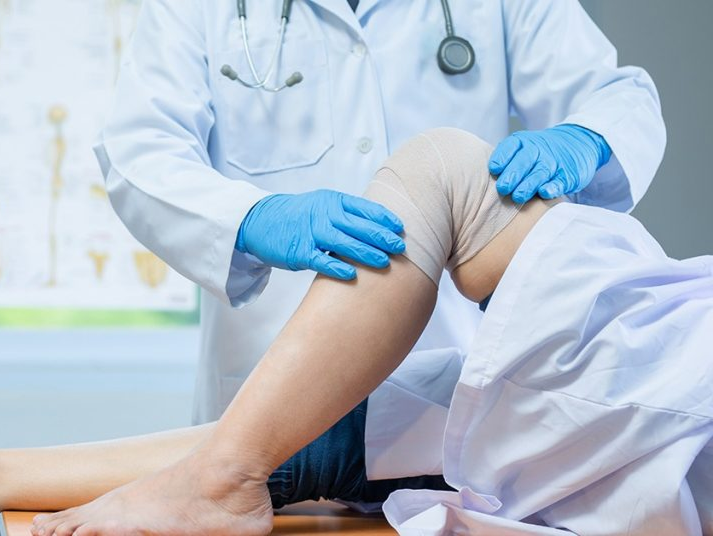
Led by a team of skilled orthopedic specialists, we are committed to providing exceptional care, restoring function, and improving the quality of life for individuals with orthopedic conditions. 1. Specialized Orthopedic Care: From fractures and joint disorders to sports injuries, our specialists deliver personalized and comprehensive care for each patient. 2. Joint Replacement Expertise: Reform Hospital excels in joint replacement surgeries (knees, hips, shoulders, and more)

bg_img_blok_lqfn

3. Spine Surgery and Rehabilitation: We specializes in spine surgery, addressing conditions such as herniated discs, spinal deformities, and degenerative disorders. 4. Advanced Imaging and Diagnosis: Utilizing cutting-edge diagnostic tools, including X-rays and MRI, our Orthopedics Department ensures accurate and swift diagnoses. This enables our specialists to tailor treatment plans that address the specific needs of each patient 5. Orthopedic Trauma Management: Reform Hospital is equipped to handle orthopedic trauma with expertise in the management of fractures, dislocations, and complex injuries. Our orthopedic trauma team ensures timely intervention and personalized treatment plans for optimal recovery.

bg_sec_img_IBABT002

Your Health is our Priority

We stand as a dedicated team, driven by our passion to nurture and protect the young, ensuring a healthier tomorrow for children and their families. Paediatric intensive care is a critical function of paediatrics and is a subject close to my heart. Medical complexities of a child's anatomy need special care and we are committed to providing the very best possible.

Treatments

Team approach care for health

Sports injuries

Sports injuries often involve knee damage such as ACL, PCL, or MPFL tears, affecting stability, mobility, performance, and overall athletic recovery.

Joint replacement

Joint replacement surgery replaces damaged joint surfaces with durable implants, used to restore mobility in the hip, knee, shoulder, or elbow.

Arthroscopy

Arthroscopy is a minimally invasive procedure offering diagnosis and treatment for joint issues through techniques such as hip and shoulder arthroscopy.

Paediatric Orthopaedics

Paediatric orthopaedics treats congenital disorders and deformities, focusing on childhood conditions like clubfoot, flatfoot.

Frequently Asked Questions

Hospitals offer a variety of medical services, including: Emergency care, Surgery, Diagnostic testing, Maternity and newborn care, Intensive care (ICU), Rehabilitation, Mental health services.

Insurance coverage for hospital care depends on your health insurance plan. Most insurance providers cover hospital stays, surgeries, and emergency care, but you may need to confirm whether your care is covered in-network or if any out-of-pocket costs (e.g., co-pays or deductibles) apply. It's a good idea to contact your insurance provider before a hospital visit to understand your coverage.

You should consider going to a hospital if you experience severe or life-threatening symptoms such as chest pain, difficulty breathing, severe bleeding, high fever, head injury, or if your symptoms worsen despite home care. For less severe issues, urgent care centers or a doctor’s office may be more appropriate.

Hospital billing refers to the process by which hospitals charge patients for medical services, tests, procedures, and treatments. Bills can be complex and include charges for both the services provided by the hospital and the medical professionals involved in your care. Hospitals may send bills directly to patients, or patients may receive bills through their insurance companies, depending on their coverage.

You should bring the following items to the hospital:

1. Personal identification (ID, insurance cards, etc.)

2. Medical records (if available)

3. A list of current medications and allergies

4. Emergency contact information

5. Comfortable clothing and toiletries

In many hospitals, you can request a specific doctor or specialist for treatment, but this will depend on the hospital's policies, your insurance, and the availability of the doctor. If you require emergency care, a doctor will be assigned to you based on availability and expertise.

If you need to visit the emergency room (ER), you should go immediately if you're experiencing a life-threatening emergency. If possible, call ahead or have someone take you. Upon arrival, you’ll be triaged (assessed by a nurse) to prioritize care based on the severity of your condition.

Hospitals are generally safe environments for medical care. However, like any healthcare setting, there are inherent risks such as hospital-acquired infections or complications from procedures. Hospitals follow strict guidelines and protocols to ensure patient safety. You can reduce risks by asking questions, clarifying treatment options, and following hospital instructions.